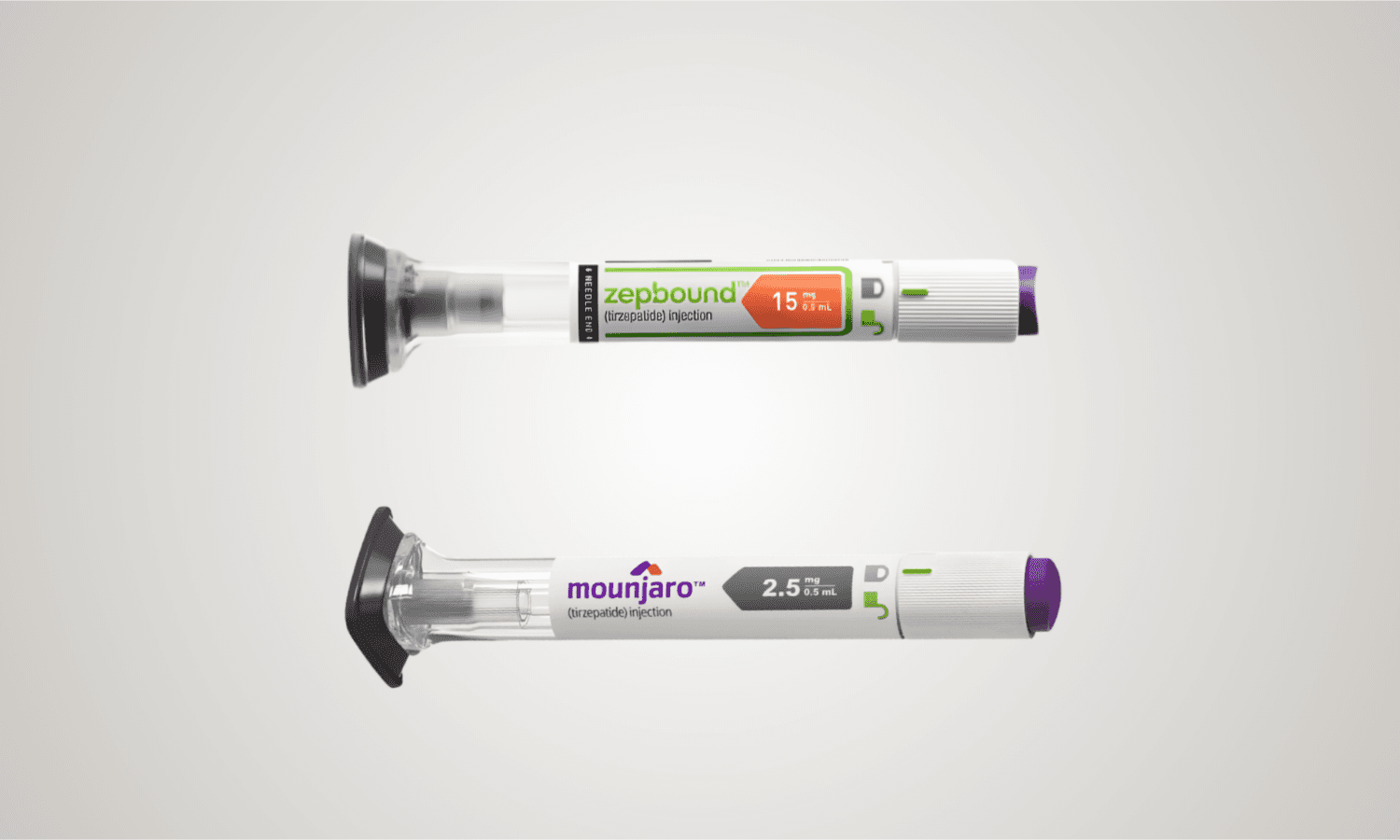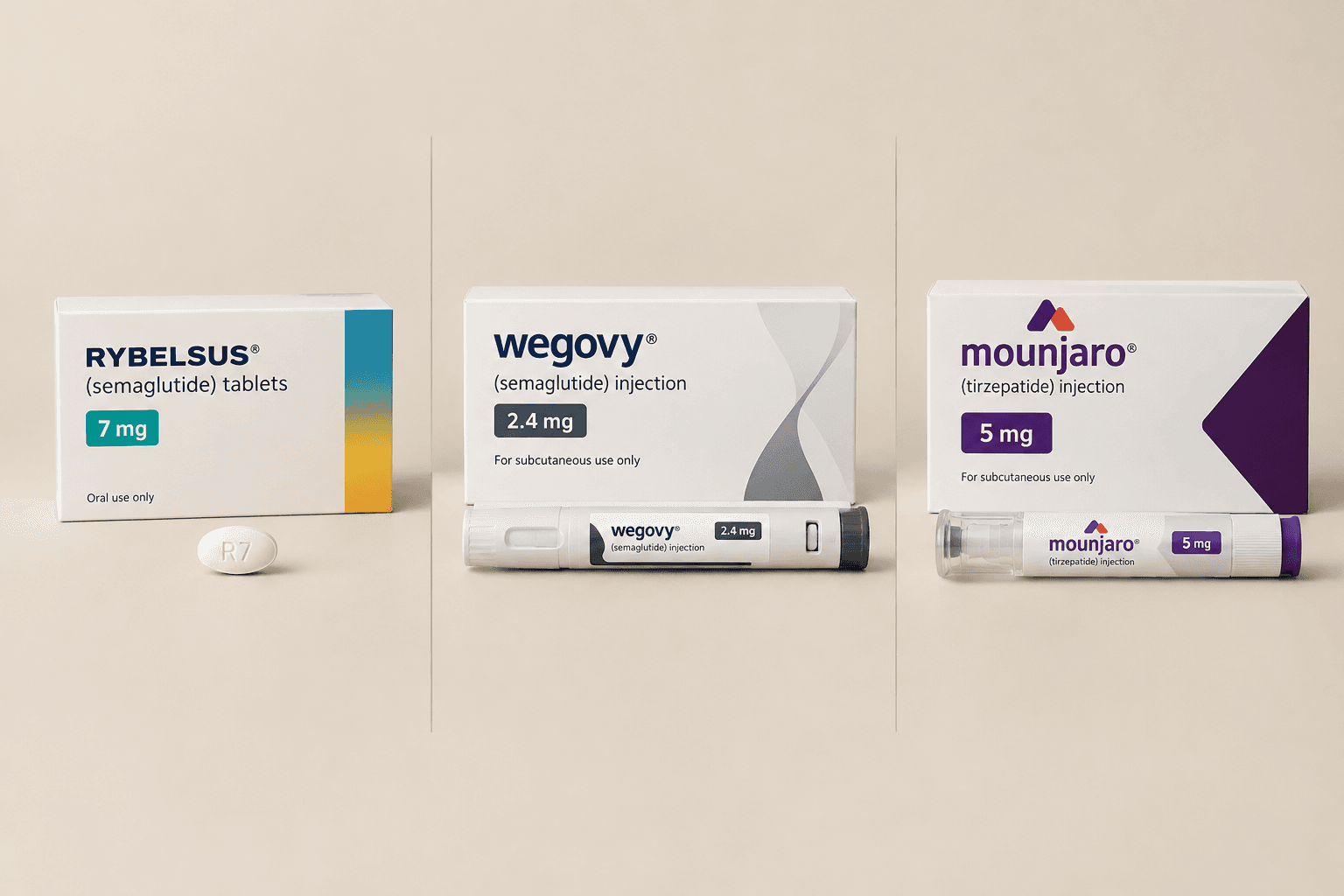



Wondering whether you can get Ozempic in Canada if you want to lose weight? You are not alone.
The medication has become one of the most talked about treatments in the country, and many Canadians are curious about whether it might help them reach their weight goals.
The honest answer is that it depends. Sometimes the answer is yes, sometimes no, and the path forward depends a great deal on your overall health, your weight history, and the clinical picture your doctor sees.
Ozempic was originally approved in Canada for adults with type 2 diabetes. Over the past few years, doctors have also been prescribing it off-label for weight management, especially in people who have not had success with other approaches. That has created plenty of confusion about who actually qualifies, what to expect, and where Ozempic fits within a longer plan to feel better in your body.
This guide walks through how Canadian doctors evaluate Ozempic for weight loss, the role of body mass index and metabolic health, what the clinical research shows about how much weight you might lose, and what often happens after you stop the medication. We also cover the holistic side, including nutrition, movement, and the lifestyle pieces that help Ozempic work better and that protect your results over time.
Note: This article is for general information only. It does not replace personalized advice from a licensed healthcare provider. If you are considering Ozempic, please speak with your doctor or a clinician on the myrocky.ca platform to find the option that best matches your health.
How Ozempic Works in the Body
Ozempic is the brand name for semaglutide, a once-weekly injection that belongs to a class of drugs called GLP-1 receptor agonists. GLP-1 is a hormone your gut releases after meals. It helps the pancreas release insulin, slows the speed at which your stomach empties, and signals your brain that you are satisfied. By imitating this hormone for a longer period, semaglutide can lower blood sugar in people with diabetes and reduce appetite in people who carry extra weight.
For someone trying to lose weight, that combination matters. Many Canadians describe a quieter food noise while taking Ozempic, meaning fewer cravings, smaller meal sizes, and a noticeable drop in the urge to snack. The medication does not burn fat directly. It works by gently shifting your hunger and fullness signals so that eating less feels more natural rather than forced.

Is Ozempic Approved for Weight Loss in Canada?
Strictly speaking, Ozempic is approved by Health Canada to treat adults with type 2 diabetes, not for weight loss on its own. The semaglutide product approved specifically for chronic weight management in Canada is Wegovy, a higher-dose version of the same molecule. Both medications are made by Novo Nordisk.
That said, Canadian physicians are legally allowed to prescribe Ozempic off-label, which means using an approved drug for a purpose other than its official indication.
Off-label prescribing is common across medicine when there is solid supporting evidence. So the more accurate way to put it is this: yes, you can get Ozempic for weight loss in Canada, provided a clinician believes it is appropriate for your case.
How Doctors Decide Whether to Prescribe Ozempic for Weight Loss
BMI Criteria
Most Canadian clinicians follow the criteria used for semaglutide in the obesity setting.
Drug therapy for overweight or obesity is generally considered when a person has a body mass index of 30 or higher, or a BMI of 27 or higher together with at least one weight-related condition such as type 2 diabetes, high blood pressure, high cholesterol, or obstructive sleep apnea. These thresholds come from the Canadian Adult Obesity Clinical Practice Guidelines and the Wegovy product monograph, and they are widely used as a starting point for off-label Ozempic decisions too.
BMI is not a perfect measure. A muscular athlete and a sedentary office worker can land on the same number. So a thoughtful doctor will also ask about waist circumference, family history, energy levels, sleep quality, and other markers that paint a fuller picture of your metabolic health.
Metabolic Health Factors
Beyond BMI, your doctor will look at how your body is responding to your current weight. Signs that point toward a possible Ozempic trial include rising blood sugar, prediabetes, fatty liver, polycystic ovary syndrome, joint pain that limits exercise, and high triglycerides. These are flags that extra weight is starting to drive medical risk, which makes pharmacotherapy more justifiable.
A doctor may also review what you have already tried. Canadian guidelines emphasize that medication is added on top of nutrition, movement, and behavioural support, not as a replacement for them. If you have given those approaches a real chance and your results have plateaued, that history strengthens the case for considering Ozempic.
Why a Doctor Might Not Recommend Ozempic, and What You Can Do Then
There are several situations where a doctor may decide Ozempic is not the right call. Common reasons include the following:
- You have a personal or family history of medullary thyroid cancer or multiple endocrine neoplasia type 2.
- You are pregnant, planning pregnancy, or breastfeeding.
- You have had pancreatitis, gallbladder disease, or severe gastroparesis.
- You take other medications that interact poorly with semaglutide.
- Your BMI does not meet the threshold and you have no weight-related health condition.
- You are seeking the medication purely for cosmetic weight loss without a medical indication.
The cosmetic question deserves a careful look. Ozempic is a long-term medical treatment, not a quick fix. Prescribing it for someone who simply wants to drop a few pounds for an event or for appearance reasons goes against current Canadian prescribing principles.
If a doctor declines, it is usually because they want to protect you from side effects, costs, and the supply pressures that affect Canadians living with diabetes.
If your doctor decides Ozempic is not appropriate, that does not mean weight management is off the table. You might explore structured lifestyle programs, medical nutrition therapy with a registered dietitian, a different medication that better suits your profile, or a referral to a bariatric clinic.
Find Out If You Qualify for Ozempic
How Much Weight Can You Lose on Ozempic?
Clinical trials give the clearest picture. In the STEP 1 trial, adults with overweight or obesity and without diabetes who took semaglutide 2.4 milligrams weekly alongside lifestyle support lost on average 14.9 percent of their starting body weight over 68 weeks, compared with 2.4 percent in the placebo group. In the STEP 5 trial, that loss was largely maintained at two years, with a mean reduction of 15.2 percent.
In people with type 2 diabetes, average weight loss tends to be smaller, around 9.6 percent in the STEP 2 trial. Real-world results in Canada also vary because dosing for off-label Ozempic use generally tops out at 2 milligrams, which is lower than the 2.4 milligram dose used in the obesity trials. Even so, many patients in clinical practice see meaningful losses when the medication is paired with consistent lifestyle changes.
How much weight you lose on Ozempic ultimately depends on the dose, how long you stay on it, what you eat, how often you move, and how your body responds. Two people on the same dose can have quite different journeys, and that is normal.

Weight Loss Tips to Consider While on Ozempic
Knowing how to lose weight with Ozempic is largely about supporting the medication with the right habits. Ozempic works best when it is part of a broader plan. The medication makes the changes easier, but it does not replace them. Here are some helpful tips to consider:
- Prioritize protein at every meal to protect lean muscle while you lose fat.
- Stay well hydrated. Many people forget to drink enough water once their appetite drops.
- Add fibre-rich foods such as vegetables, legumes, oats, and berries to support digestion and fullness.
- Aim for 30 to 60 minutes of movement most days, including some resistance training to maintain muscle.
- Build a regular sleep schedule. Sleep loss raises hunger hormones and works against your goals.
- Track how you feel, not just the scale. Energy, mood, and waist measurements often shift before the number does.
If side effects appear, do not just push through them. Nausea, fatigue, or constipation usually settle with smaller meals, slower titration, or a brief pause in dose changes. Speak with your prescriber so adjustments can be made early rather than late.
Is It Easy to Lose Weight Once You Get Off Ozempic?
This is one of the most asked clinical questions, and the research is honest about it. The STEP 1 extension study followed people for one year after they stopped semaglutide and structured lifestyle support. On average, participants regained about two-thirds of the weight they had previously lost. Cardiometabolic improvements such as blood sugar and blood pressure also drifted back toward where they started.
That does not mean Ozempic is a trap. It means obesity is a chronic condition, and like high blood pressure or high cholesterol, it often needs ongoing care. Some people stay on a low maintenance dose. Others taper off slowly while building stronger habits. A growing body of real-world data suggests that people who keep their nutrition, sleep, and activity routines after stopping the medication tend to regain weight more slowly than those who do not.
Planning the exit is just as important as starting. Before you stop, talk with your provider about a structured taper, follow-up appointments, and how you will monitor weight, blood sugar, and blood pressure during the months that follow.
Is There a Holistic Approach to Weight Loss with Ozempic?
Yes, and the evidence supports it. The Canadian Adult Obesity Clinical Practice Guidelines describe a 5As framework — Ask, Assess, Advise, Agree, and Assist — that puts the person at the centre of care. The aim is improved health and quality of life, not a single number on the scale.
A holistic plan that includes Ozempic typically blends medical care with practical daily support. That may mean working with a dietitian to find an eating pattern you can sustain, choosing movement that you actually enjoy, addressing sleep and stress, and gently reframing your relationship with food. It also means looking after mental health. Many Canadians describe a wave of new feelings during weight loss, from relief to grief to identity shifts, and those deserve attention too.
In short, Ozempic can be a useful tool, but it works best inside a bigger picture of self-care. Pair it with the basics, and you give yourself the best chance of feeling well now and in the years ahead.

Where to Go from Here
At myrocky.ca, we connect Canadians with licensed clinicians who treat weight as a health conversation, not a cosmetic one. If you are wondering whether Ozempic could be part of your plan, our online weight loss assessment is a quiet first step. You can also browse the myrocky blog for more on what to expect, what to eat, and how to make changes that last.
Whatever you choose, you do not have to figure this out alone. The right plan for you may include medication, may not, and may evolve as your life does. Start where you are, ask the questions you need answered, and build forward from there with people who can help.
References
- Drucker, D. J. “Mechanisms of Action and Therapeutic Application of Glucagon-like Peptide-1.” Cell Metabolism, vol. 27, no. 4, 2018, pp. 740–756.
- Health Canada. “Summary Basis of Decision for Ozempic.” Drug and Health Products Portal.
- Wharton, S., et al. “Obesity in Adults: A Clinical Practice Guideline.” CMAJ, vol. 192, no. 31, 2020, E875–E891.
- Novo Nordisk Canada. “Wegovy (semaglutide injection) Product Monograph.” 2023.
- Wilding, J. P. H., et al. “Once-Weekly Semaglutide in Adults with Overweight or Obesity.” New England Journal of Medicine, vol. 384, 2021, pp. 989–1002.
- Garvey, W. T., et al. “Two-Year Effects of Semaglutide in Adults with Overweight or Obesity: the STEP 5 Trial.” Nature Medicine, vol. 28, 2022, pp. 2083–2091.
- Wilding, J. P. H., et al. “Weight Regain and Cardiometabolic Effects After Withdrawal of Semaglutide: The STEP 1 Trial Extension.” Diabetes, Obesity and Metabolism, vol. 24, 2022, pp. 1553–1564.
- Obesity Canada. “5As Framework for Obesity Management in Adults.” 2020.
Disclaimer: This article is intended for informational purposes only and is not a substitute for professional medical advice, diagnosis, or treatment. Always consult your healthcare provider with any questions about a medical condition or treatment.
Editorial Standards: At Rocky Health, we’ve made it our mission to support men and women with trustworthy, easy-to-understand medical and health information online. Read more about our editorial standards here.