


Weight loss is one of those topics where the volume of information is inversely proportional to its quality. Open an app, scroll for 30 seconds, and you will find a dozen opposing claims about what actually works. For men specifically, the noise is often aimed at quick wins, aesthetic shortcuts, and supplement stacks, which is part of why sustainable results are so hard to come by.
The science is much calmer than the marketing. Long term weight loss in men comes down to a modest, consistent calorie deficit, enough protein, a mix of cardio and resistance training, adequate sleep, and stress management. For some men, prescription medications such as GLP-1 receptor agonists can be a useful support when lifestyle changes alone are not enough.
This guide, written by a licensed Canadian pharmacist, lays out evidence based answers to the most common weight loss questions for men, from fat loss versus weight loss to when medical options may be worth discussing with a provider.
Note: This article is for informational purposes only and does not replace medical advice. If you have health conditions, take medications, or are considering a prescription weight loss treatment, please speak with a licensed Canadian healthcare provider before making changes.

How Does Weight Loss Actually Work?
Weight loss happens when your body uses more energy than it takes in over time. This creates a calorie deficit, which forces the body to draw on stored energy, primarily fat.
However, calorie balance is only part of the picture. Food quality, protein intake, sleep, stress, and training all influence whether weight loss comes mainly from fat or includes muscle loss.
What Is the Difference Between Fat Loss and Weight Loss?
Weight loss refers to a reduction in total body weight. Fat loss specifically refers to a reduction in body fat. The two often overlap, but they are not identical.
Crash dieting can reduce scale weight quickly through water and muscle loss, while a structured approach with adequate protein and resistance training preserves muscle and targets fat loss.
What Role Does Metabolism Play?
Metabolism is the total energy your body uses at rest and during activity. Muscle mass increases daily energy expenditure, which is why resistance training is important during weight loss.
Metabolic slowdown during dieting is usually modest and mainly reflects lower body weight and reduced activity, not permanent metabolic damage.
What Are the Most Effective Diet Strategies for Men?
The most effective diet is one that creates a sustainable calorie deficit. Mediterranean-style diets, higher protein approaches, lower carbohydrate plans, or structured portion control can all work equally well if consistency is maintained.
The key factors are protein intake, fibre, minimally processed foods, and long term adherence.
How Much Protein Do You Need?
Most evidence supports approximately 1.6 to 2.2 grams of protein per kilogram of body weight per day during fat loss. Protein helps preserve muscle and increases satiety, making dieting easier to sustain.
What About Intermittent Fasting and Low Carb Diets?
Both can be effective, but neither is inherently superior. Intermittent fasting reduces eating windows, which may naturally lower calorie intake. Low carb diets can help with appetite control for some individuals.
The best diet is the one that can be maintained consistently over time.
How Much Exercise Do You Need to Lose Weight?
Most men benefit from 150 to 300 minutes of moderate aerobic activity per week combined with 2 to 3 resistance training sessions. Exercise alone produces modest weight loss but is critical for long term maintenance.
Should You Prioritize Cardio or Strength Training?
Both matter, but strength training plays a key role in preserving muscle mass and metabolic rate. Cardio supports calorie expenditure and cardiovascular health.

Why Do Sleep and Stress Matter for Weight Loss?
Poor sleep and chronic stress disrupt hunger hormones and increase cravings, making adherence to a calorie deficit more difficult.
Sleep deprivation increases hunger signals, while chronic stress can increase fat storage tendencies, particularly around the abdomen.
What Are the Biggest Weight Loss Myths?
- Carbs cause weight gain — false; calorie surplus is the driver.
- Eating late causes fat gain — false; total intake matters more.
- You can spot reduce fat — false; fat loss is systemic.
- Cardio is required for fat loss — false; strength training is equally important.
How Long Does Weight Loss Take?
A safe and sustainable rate is about 0.5 to 1 percent of body weight per week. For most men, meaningful changes take 3 to 6 months of consistent effort.
Why Is Weight Loss So Difficult?
As body weight decreases, calorie needs drop, appetite may increase, and lifestyle factors such as stress and sleep can interfere with adherence. These are biological adaptations, not a lack of discipline.

When Should You Consider Medical Weight Loss Options?
Medical treatment may be considered when lifestyle interventions alone are not sufficient or when obesity related conditions are present.
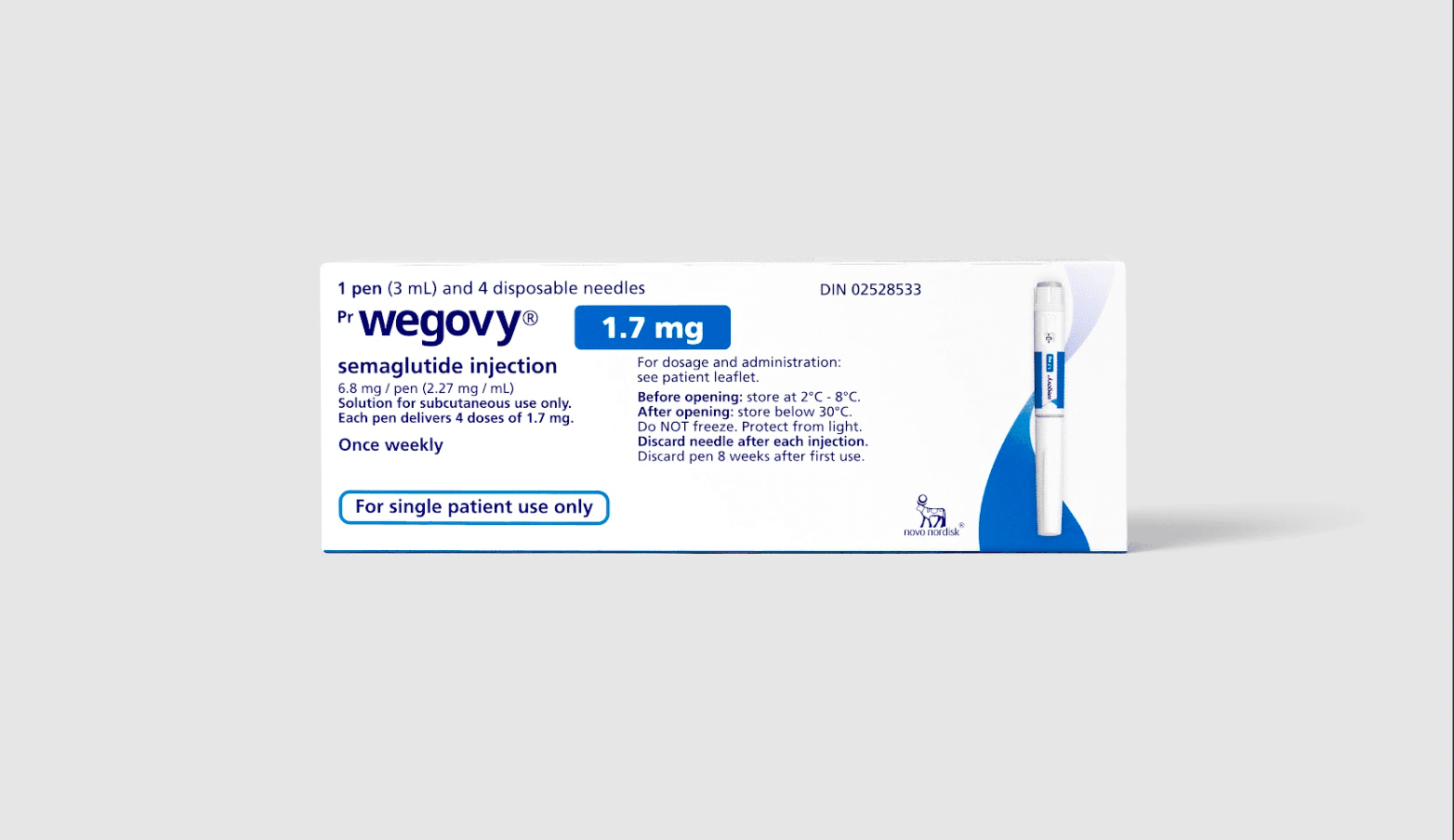
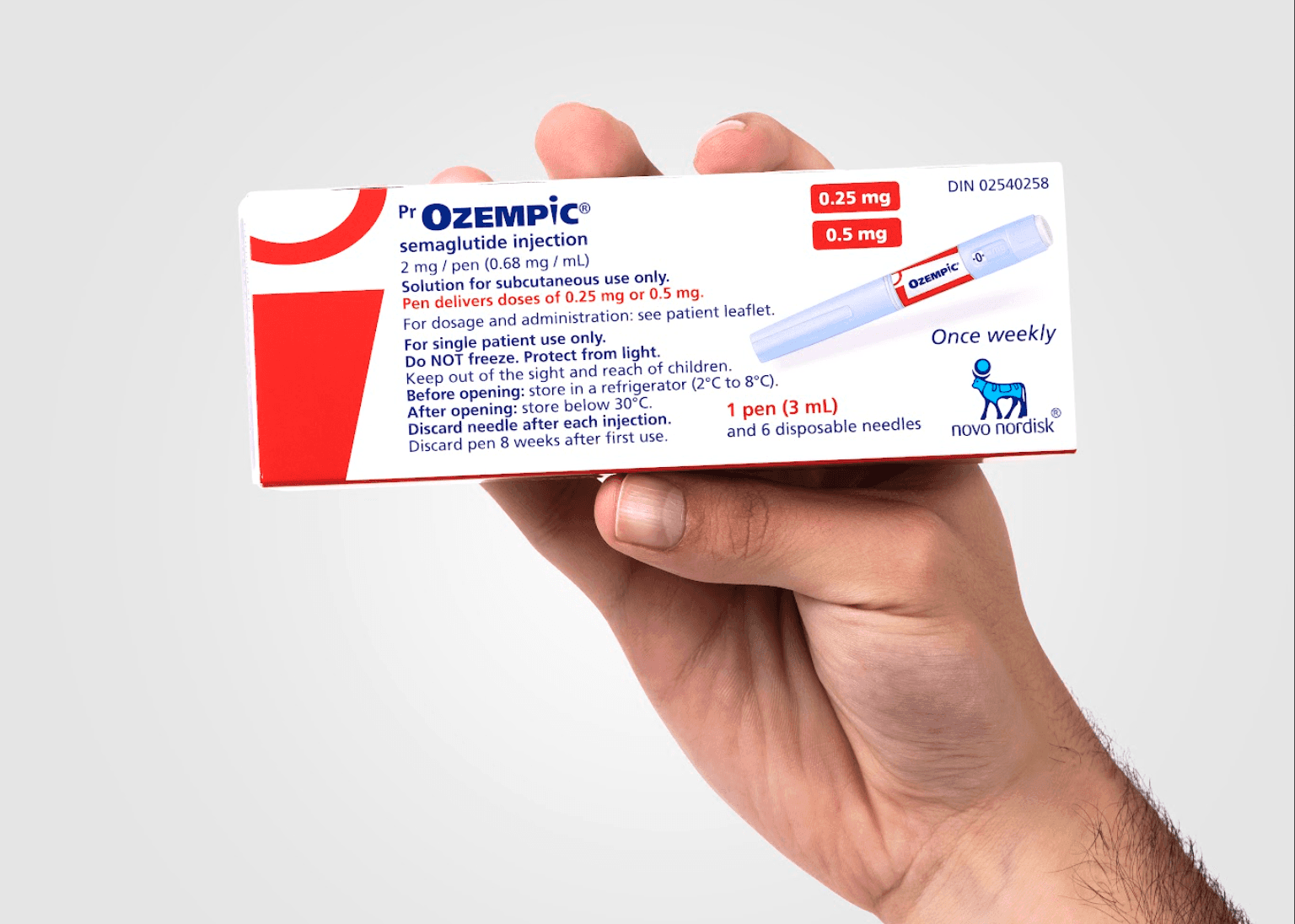
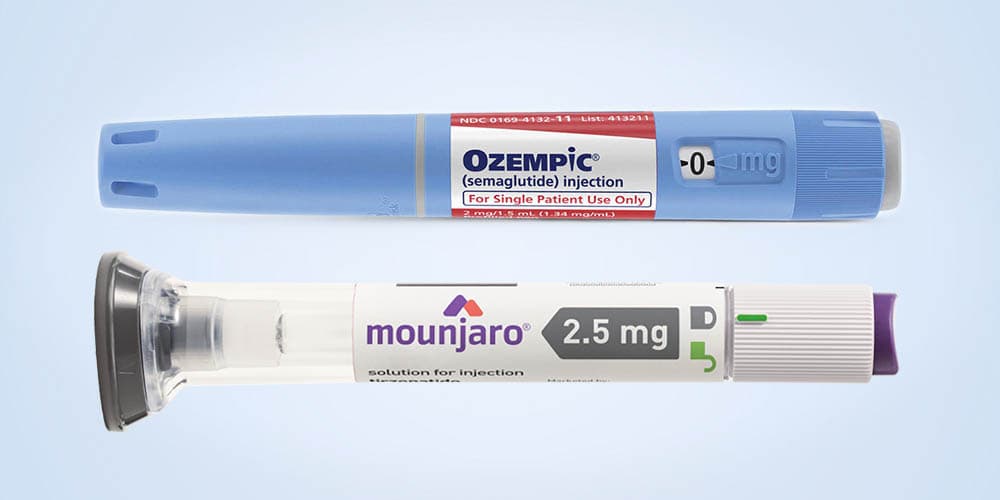
GLP-1 medications such as semaglutide and tirzepatide have shown significant weight loss outcomes in clinical trials. These treatments must be used under medical supervision and alongside lifestyle changes.
What Safety Considerations Should You Know?
Avoid extreme calorie restriction, unverified supplements, or overly aggressive training programs. Individuals with medical conditions or those considering medication should consult a healthcare provider.
Frequently Asked Questions
How Do You Lose Weight Fast and Safely?
A moderate calorie deficit, high protein intake, and regular exercise are the safest approach. Crash diets are not recommended.
How Do You Lose Body Fat Naturally?
Consistent calorie control, strength training, adequate sleep, and stress management form the foundation of natural fat loss.
Do GLP-1 Medications Work for Everyone?
No. Response varies and side effects may occur. They are not suitable for everyone and require medical oversight.
What Helps With Weight Loss Plateaus?
Reassessing calorie intake, increasing daily activity, improving sleep, and making small dietary adjustments can help overcome plateaus.
The Bottom Line
Sustainable weight loss for men is built on consistent habits rather than extreme approaches. A modest calorie deficit, adequate protein, resistance training, cardio, good sleep, and stress management form the foundation of long term success.
For structured support, a medically supervised program can help tailor an approach that fits your needs.
References
- Johns Hopkins Medicine. “8 Ways to Lose Belly Fat and Live a Healthier Life.” https://www.hopkinsmedicine.org/health/wellness-and-prevention/8-ways-to-lose-belly-fat-and-live-a-healthier-life
- Mayo Clinic. “Weight loss: 6 strategies for success.” https://www.mayoclinic.org/healthy-lifestyle/weight-loss/in-depth/weight-loss/art-20047752
- Healthline. “How to Lose Weight as Fast as Possible.” https://www.healthline.com/nutrition/how-to-lose-weight-as-fast-as-possible
- Medical News Today. “How to lose weight: Science backed tips.” https://www.medicalnewstoday.com/articles/321493
- Wilding, J.P.H., et al. STEP 1 Trial. New England Journal of Medicine. https://pubmed.ncbi.nlm.nih.gov/33567185/
- Jastreboff, A.M., et al. SURMOUNT-1 Trial. New England Journal of Medicine. https://pubmed.ncbi.nlm.nih.gov/35658024/
Disclaimer: This article is intended for informational purposes only and is not a substitute for professional medical advice, diagnosis, or treatment. Always consult your healthcare provider with any questions about a medical condition or treatment.
Editorial Standards: At MyRocky, we’ve made it our mission to support men and women with trustworthy, easy-to-understand medical and health information online. Read more about our editorial standards here.